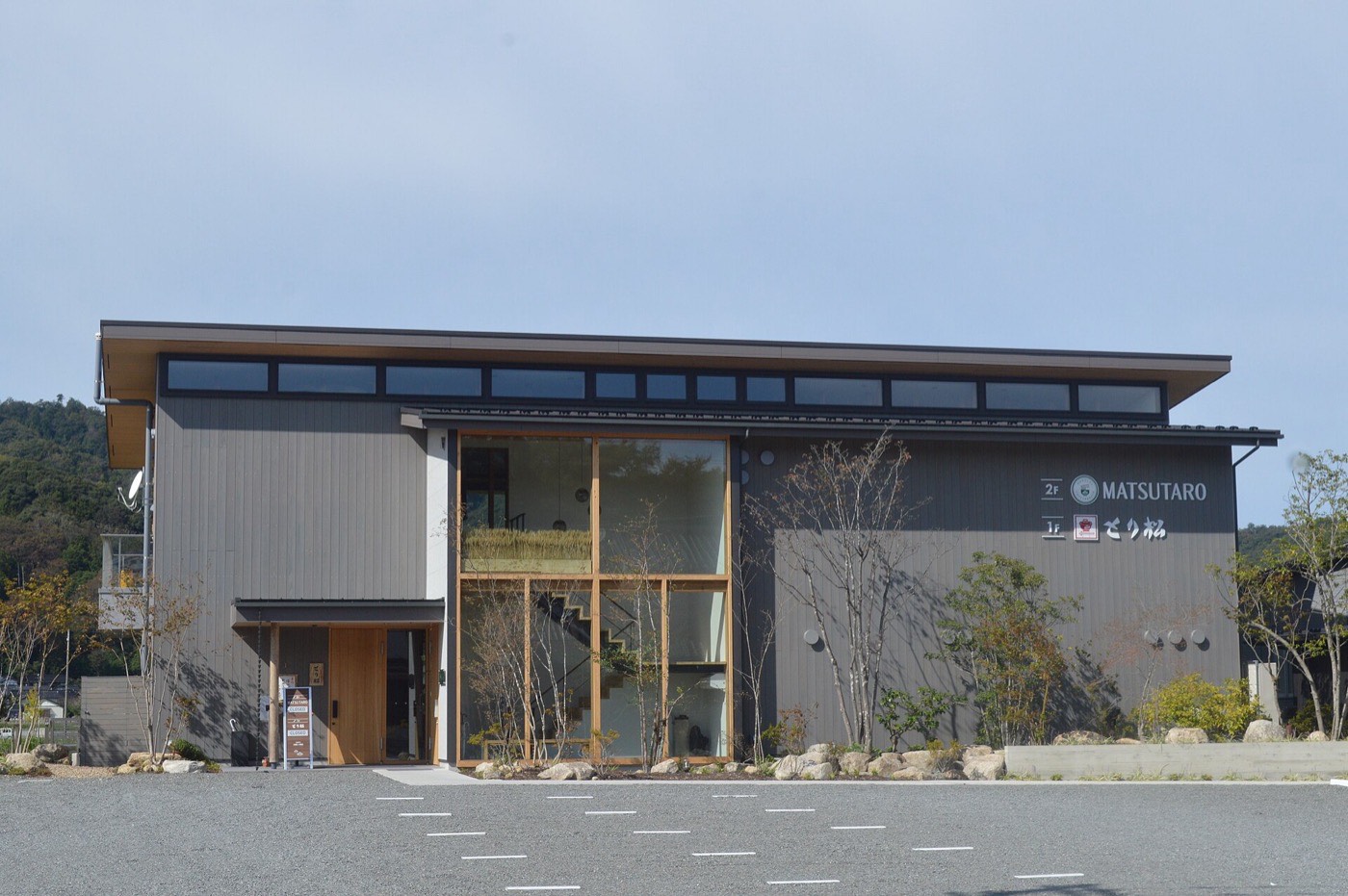
The Tango bara-zushi (scattered sushi) made by Torimatsu, in Amino, Kyotango, sits on department-store shelves across Japan. It is chosen as a gift, and has become one of the products that carry the Tango name. It is fair to say that this shop is what made Tango bara-zushi known throughout the country.
The shop's chairman says this:
Bara-zushi is not a product.
The very man whose bara-zushi sells denies that it is merchandise. Unless you start here, you cannot understand this dish.
There is no right answer
Tango bara-zushi has no right answer.
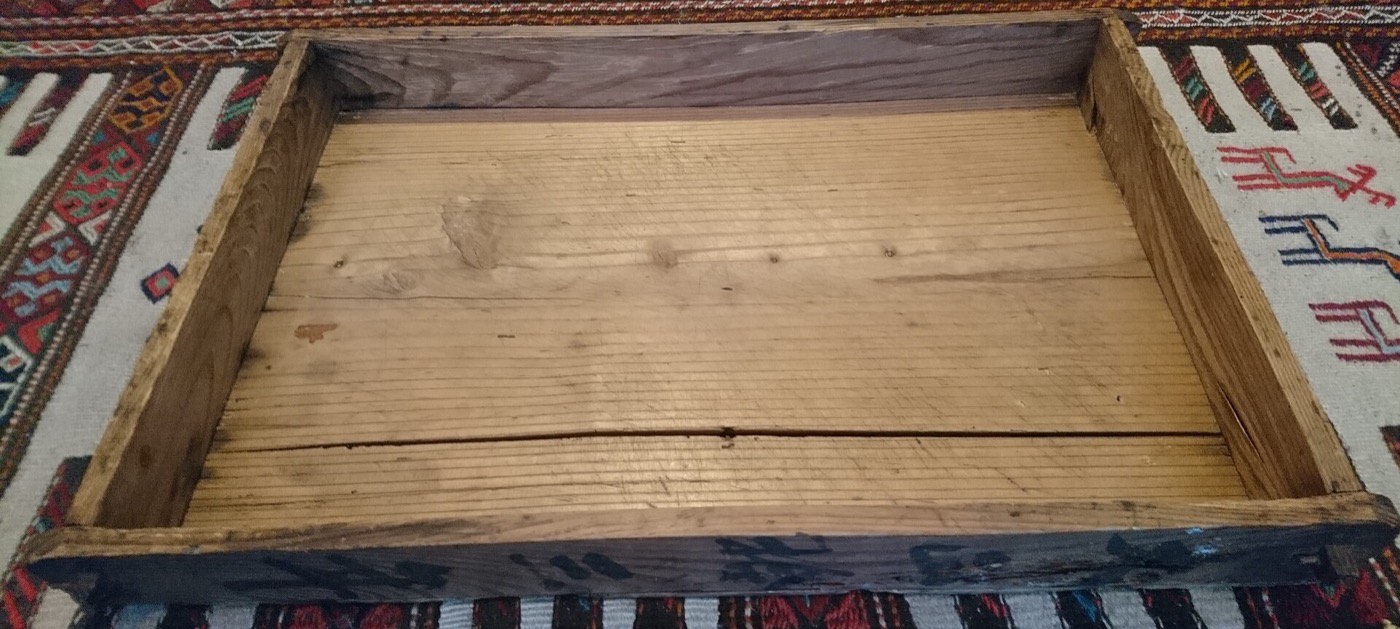
The sweetness, the touch of soy sauce: every household is different. On festival days and days of celebration, each family would fill a large wooden box with it, hand it out to the neighbours, and receive theirs in turn. No household's version is the correct one. Being different is what this dish truly is.
Bara-zushi is neither merchandise nor a luxury. It is the feast of ordinary people on their special days. The chairman's talk always begins there. He makes a product that sits in department stores, yet does not treat it as a product. That consistency is what holds up the shop's work.
Not too neat
Of everything the chairman says, this is what stays with you most.
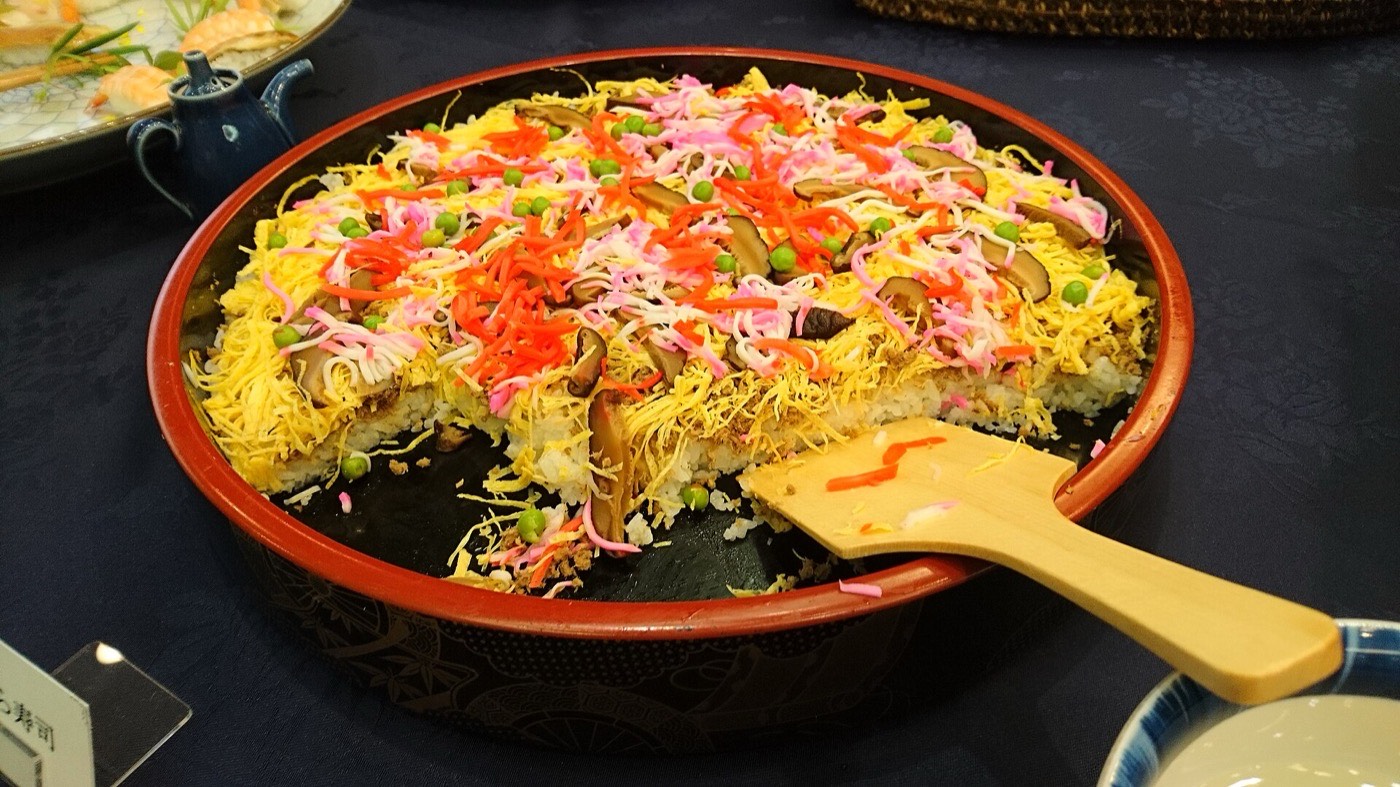
You must not serve something new just to be clever, or mix in all sorts of things to cover up. Try to make it look neat and professional, and the true flavour is lost. It is when it looks a little rough that bara-zushi has its proper flavour and feel.
This points the opposite way from a cook showing off. The skill goes not into making it well, but into never drifting from the way it was made at home. For a maker, it is work that calls for restraint.
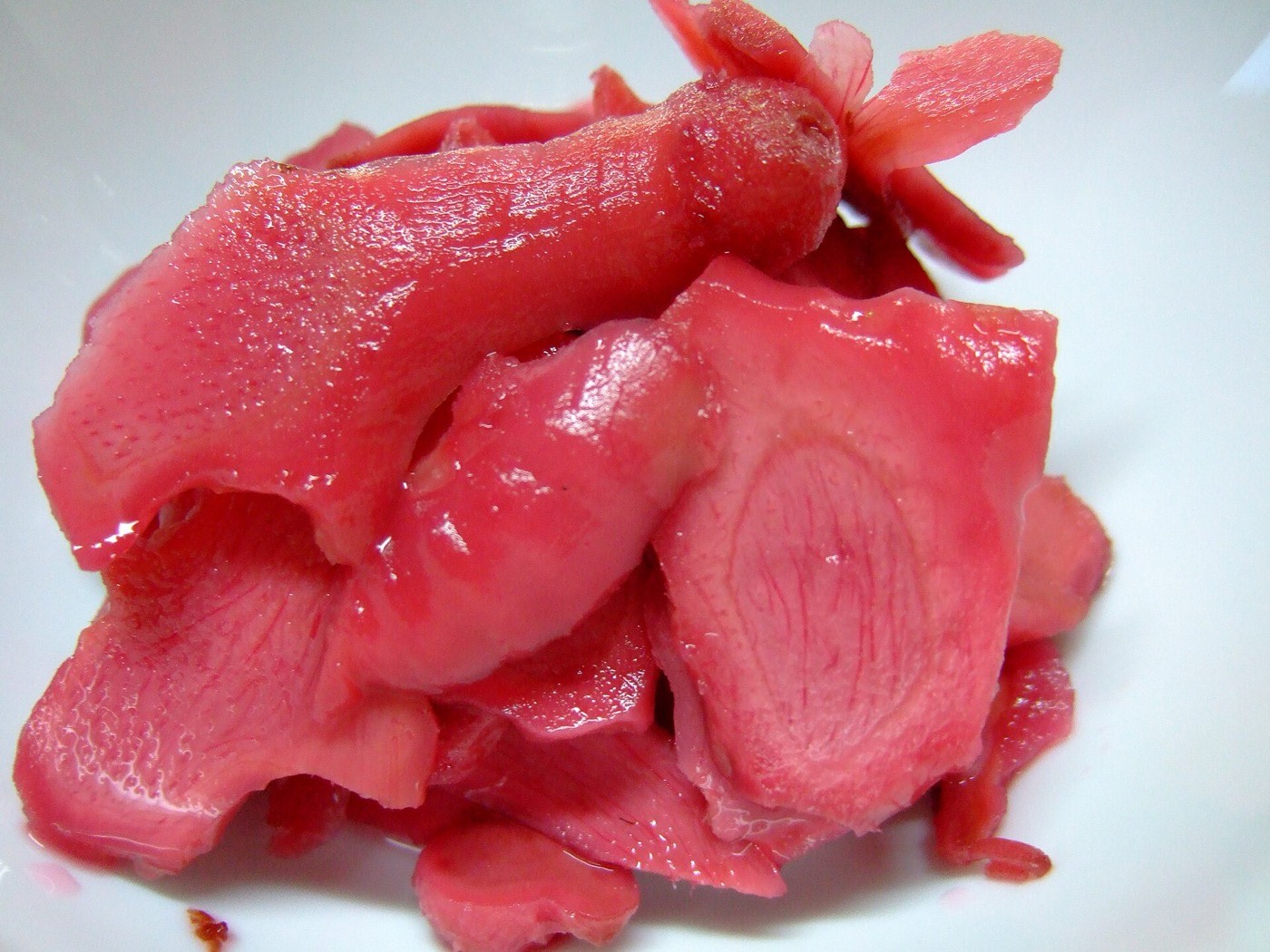
In return, there is no cutting corners on ingredients. The ginger served alongside is the old-fashioned kind, red and crunchy, pickled in the plum vinegar left over from making umeboshi (pickled plums). The rice is from Tango. The kamaboko (fish cake) is the traditional kind, made from good-quality fish. Each is modest on its own, but woven together they give the depth that people remember.
So the shop's flavour does not change either. No adjusting the sweetness to follow trends, no updating the presentation to look modern.
Someone wept
For the chairman, good food is food that brings scenes from the past to mind as you eat it.
Once, someone who came across Torimatsu's bara-zushi in another prefecture was suddenly flooded with memories of their days in Tango and of their family, and wept. They did not cry because it tasted good. The taste brought their own time back with it.
Not simply something delicious, but bara-zushi that comes with memories included, served again and again. That, the chairman says, is what matters to him above all.
To be sold in department stores is to be seen by people who do not know Tango. He still does not move the flavour, because somewhere at the other end are people for whom that taste calls back memories. Change it to suit new customers, and their Tango disappears.
One compromise lowers the whole region
At the same time, a strong sense of alarm runs through what the chairman says.
Serving something gimmicky, or something made carelessly, is not just a matter of one shop's reputation. Visitors eat it as “a Tango specialty.” If it is not good, what falls is the standing of the whole Tango region.
That is why, the chairman says, there is a responsibility to keep the real thing alive. He seems to be talking about his own shop, but he is talking about the region. The better known a shop's name, the heavier that responsibility.
The idea that home kitchens sustain a town's food
What, then, does Tango need in order to stand as a town of food? What the chairman names is not the efforts of shops but the mindset of the people who live here.
One is pride: “Tango makes nothing but good food.” Like Niigata rice or Akita sake, the aim is for the region's name alone to mean you cannot go wrong. For that, residents themselves must first start from the premise that “everything from Tango is good.”
The other is hospitality at home, and confidence in local food. When someone visits from elsewhere, how many households can say, “Hang on, let me bring out something good we made at home”? If every household could do that, it would become a colour that is Tango's alone.
Before adding more famous restaurants, give home kitchens back their confidence. This is said by a man whose products line department-store shelves.
A business of not making it a product
The more a local dish is marketed as a specialty, the closer it comes to being a product. The flavour is standardised, the look is tidied up, a price is put on it. Selling well is not a bad thing. But as it is shaped into something that sells, people stop making it at home. A local dish that no one makes at home is left with nothing but its signboard.
Torimatsu stands in an unusual place at that crossroads. It sells nationwide, yet does not turn the dish into merchandise. What it protects is not the shop's own flavour, but the very fact that every household's flavour is different.
Never saying of his own shop's flavour, “This is Tango bara-zushi.” That is how this chairman does business.