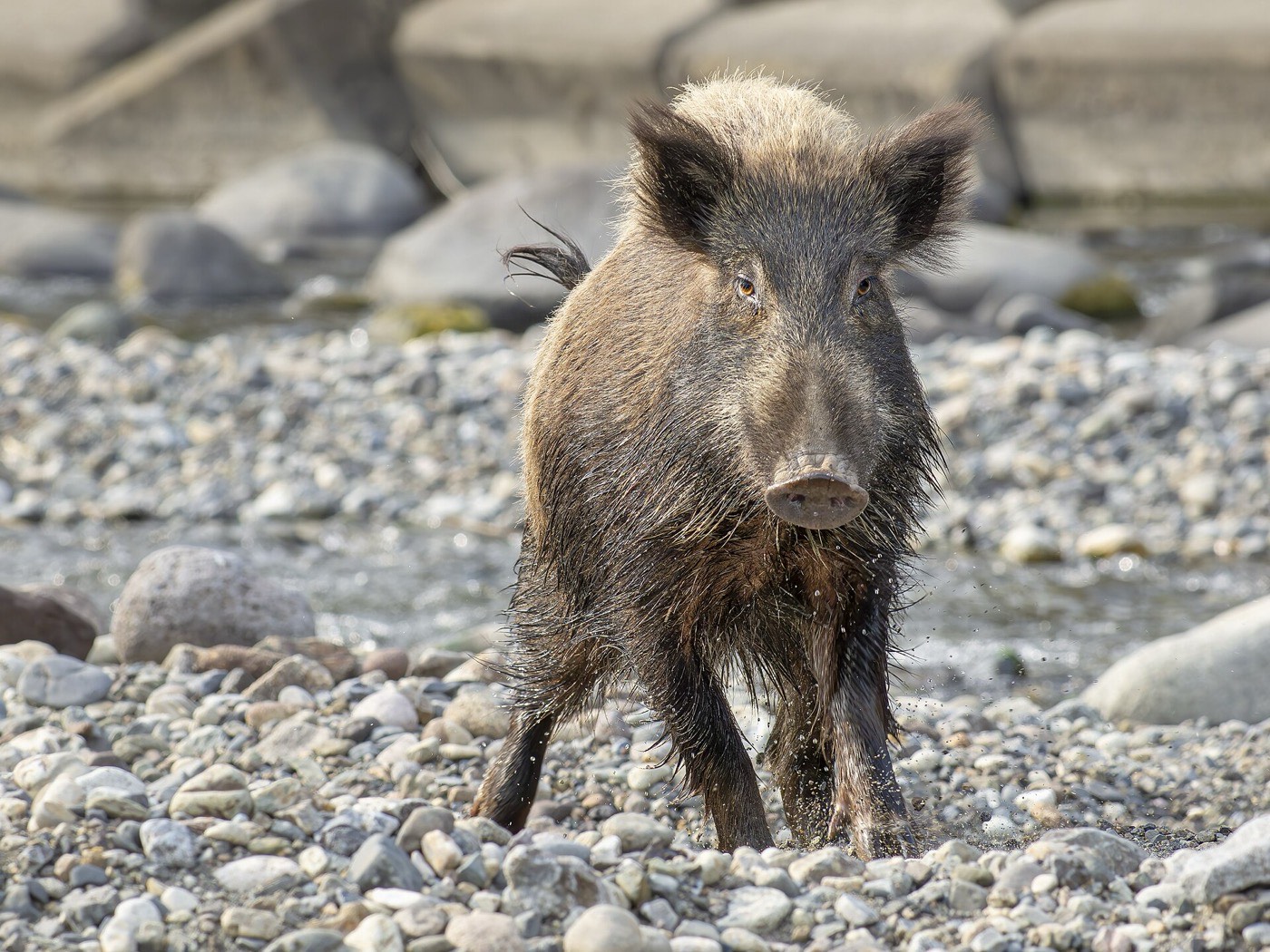
All over Japan, wild boar and deer are culled as “pest wildlife,” because they damage fields. Most of the animals taken are simply buried in the mountains. Only a tiny fraction ever reaches the market as meat.
Mr. Harui, a trap hunter in Kyotango, does not accept this.
The animals are not villains. Having taken one, you should use all of it. Hunt in order to eat. That single principle underlies all of his hunting.
From an Australian ranch to the mountains of Tango
For a hunter, Mr. Harui's background is unusual.
He started out in the meat trade. He ran a cattle ranch in Australia and was involved in importing and selling beef. Since then, he has run a racing shop as a car mechanic. He has both an eye for meat and hands for machines.
He came to Kyotango because his daughter married into a fishing family in Nakahama, within the city. As he prepared to move, he wanted to “do something useful for the community.” When he learned that hunting experience tours existed, he became interested in hunting. He got his licence in Takarazuka, then apprenticed himself to traditional hunters in Wakayama and Nara, who trained him strictly.
His conviction that “a life taken must never be wasted” is also something he inherited from those mentors.
Trap hunting is a battle of wits with the animal
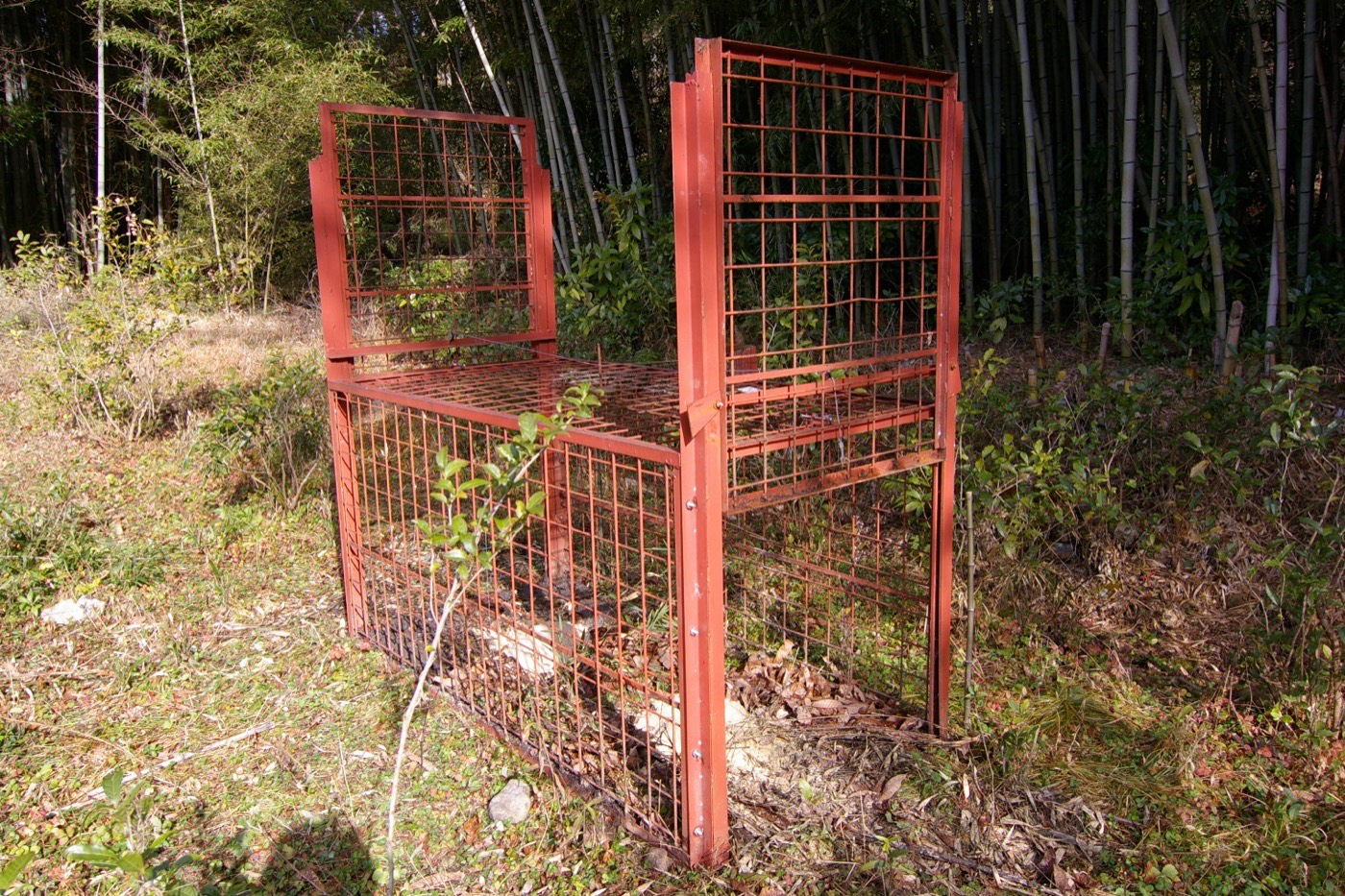
Traps are set on the animals' trails. But not just anywhere.
Animals walk around obstacles such as tree roots. Reading that habit, he places the trap at the one spot they are likely to pass. Beyond that, he chooses which animal to target from the size of the tracks and the make-up of the herd. Mainly females between eighteen months and three years old. It is a choice made for the quality of the meat, and with the effect on the herd in mind.
This is not work done to reduce numbers. It is the skill of taking one chosen animal. He goes into the mountains, reads how his quarry walks, and fits the trap to the animal's ways rather than his own convenience. Whether he makes a catch is decided there.
Leaving no blood
The main reason Mr. Harui's meat is so highly regarded lies in what happens after the kill.
Rather than shooting, he dispatches the trapped animal with a knife. He cuts the artery and the vein, and drains the blood while the heart is still beating. Because the blood is drained while the heart is still pumping, none is left in the body.
Much of the reason game meat is called “gamey” lies in this blood. Leave none behind, and the odour never appears. Put the other way, the quality of the meat is all but settled the moment the animal is taken in the mountains. It is not something a kitchen can fix.
Deft work in a place no one sees, before any chef has shown their skill, decides the flavour on the plate. That is the part Mr. Harui takes on.
What Kyotango's mountains have
Beyond that, Mr. Harui thinks highly of the quality of Kyotango's mountains.
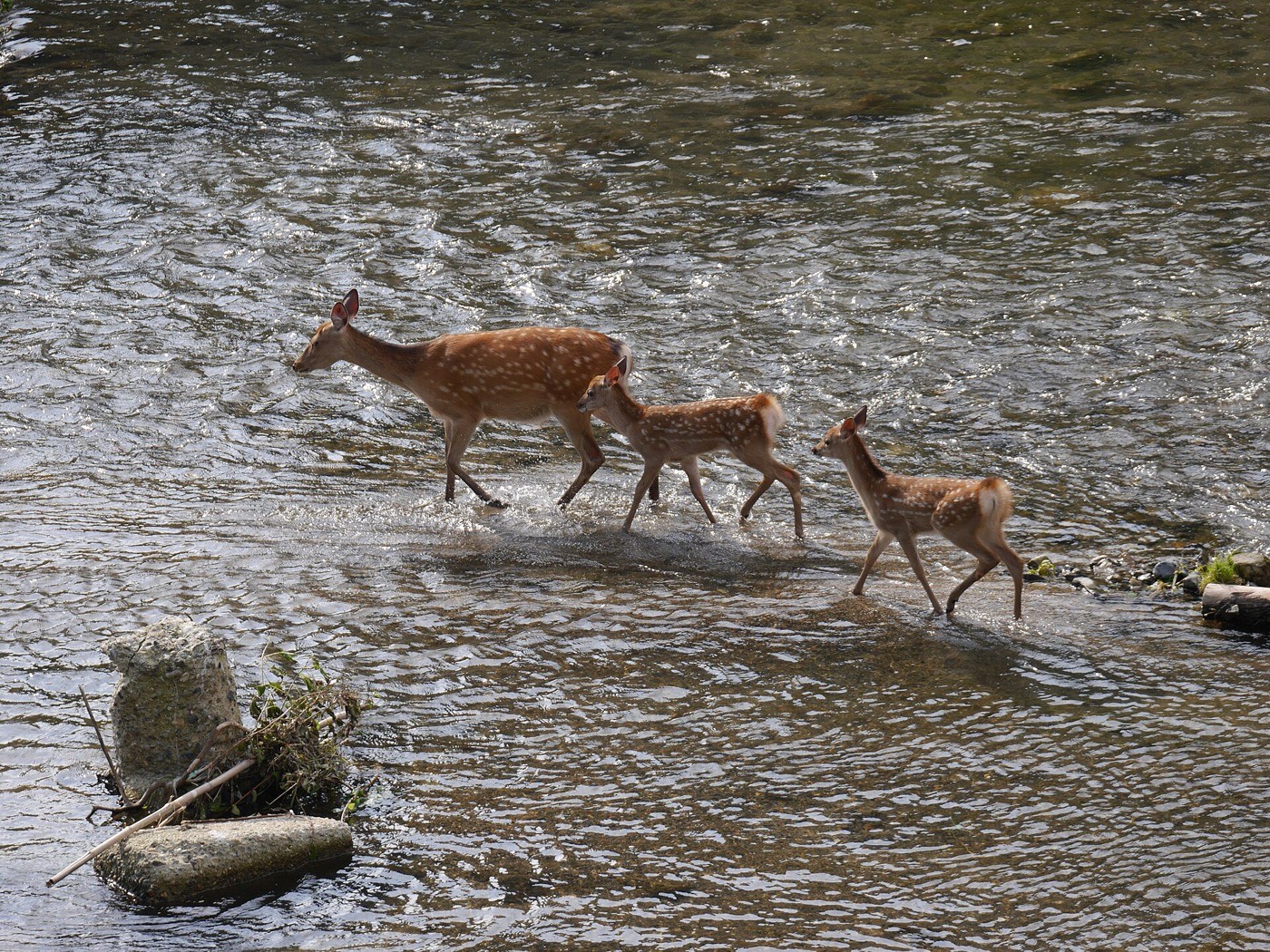
The wild boar grow up on plentiful acorns. That, he says, gives their fat a sweetness, with a flavour like Iberico pork. Because the water, air and soil are clean, the deer carry very few parasites, and many of them are healthy.
Fishermen say the richness of the sea comes from the good mud on the seabed. The hunter says the richness of the mountains comes from acorns, water and soil. They are describing the same land from different places.
Starting with a single container
Even meat this good never reaches the table if it cannot be distributed.
Game cannot become meat unless it is properly chilled and processed straight after it is taken. Hauling it to a facility far from the mountains takes too long. But licensing a small-scale processing facility is a high hurdle, and as a result, many animals end up buried.
So Mr. Harui is developing a small-scale primary processing facility using a 12-foot refrigerated container. Set up on his own property or a similar site, it lets him chill and process the meat right there, as soon as it is taken. He continues to work with the relevant agencies to obtain approval from the public health center.
Hunting skill alone does not get meat to the table. In his view, the job extends to putting the rules and equipment in place. It is the clear-eyed pragmatism of someone who came from the meat trade.
The job is not only the hunt
Mr. Harui also puts effort into conveying the “weight of life” behind hunting and butchering. Experience tours and observation visits for the public and for chefs. He also has his eye on training the young hunters of the future.
The same meat becomes a different experience when you hear, from the person himself, who took it, how, and how it was processed. Words like “I treat it with care because it is a life I took” only come across when someone is there to say them. The telling, too, is part of this work.
Using it all
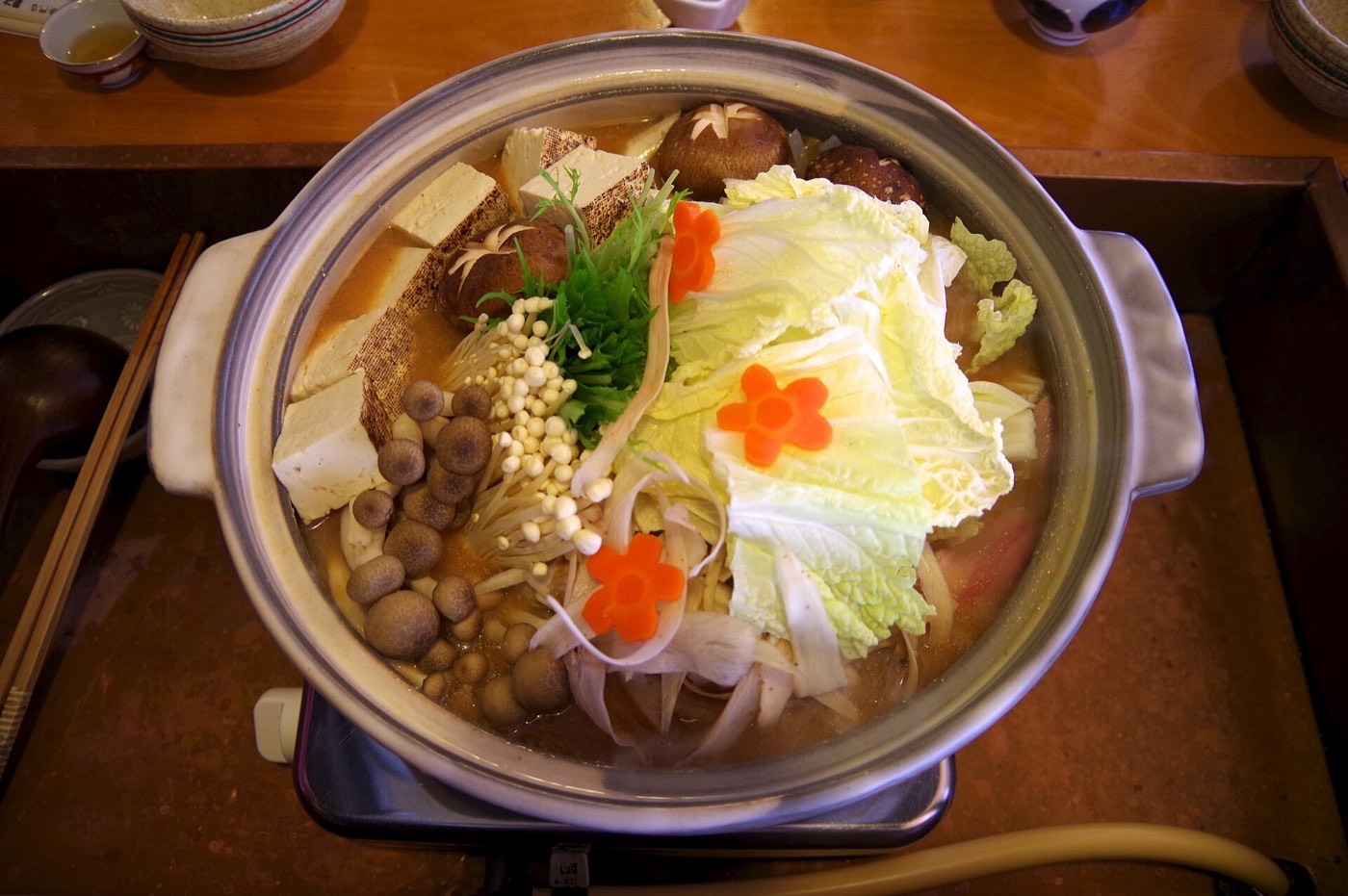
There are lives taken as pests and buried. In the same mountains, there is a man who chooses and takes one animal at a time, drains its blood, chills it at once, and works to bring it all the way to the table.
The difference is one of skill, and at the same time, one of how a life is treated.
Hunt in order to eat. Never waste a life taken. Mr. Harui's work shows just how much effort it takes to carry those few words through to the end.