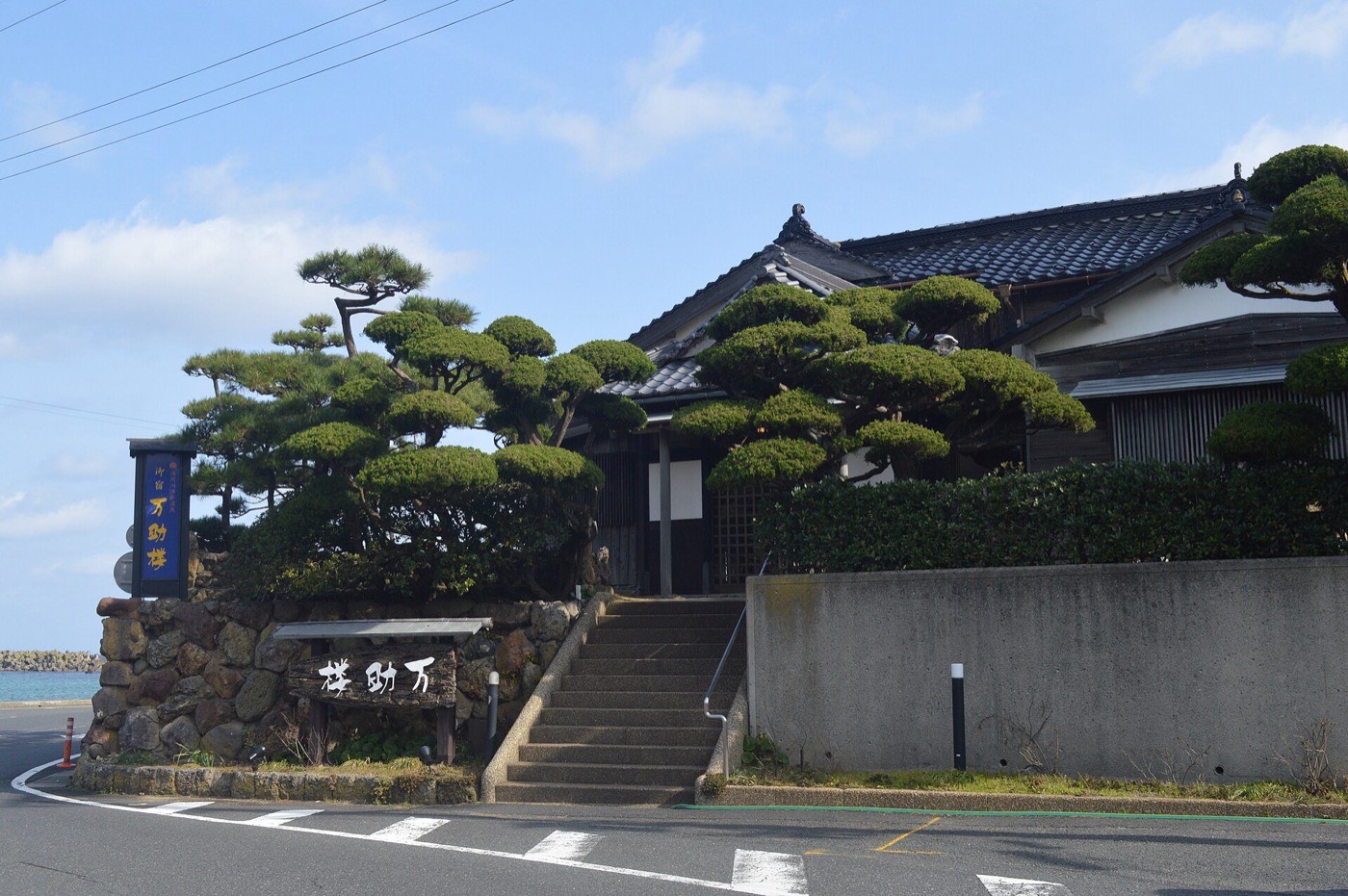
“I only cook with the fish that came in today.”
So says Head Chef Omachi of Manjuro, a ryokan (traditional inn) in Amino, Kyotango, without hesitation. The inn's menu is not set in advance. Guests are not promised what will be served. What decides is not the cook, but that day's sea.
At first glance, this may look like a convenience for the inn. In fact, it is the reverse. For a cook, choosing not to promise leaves nowhere to hide.
The more you promise in advance, the further the food drifts
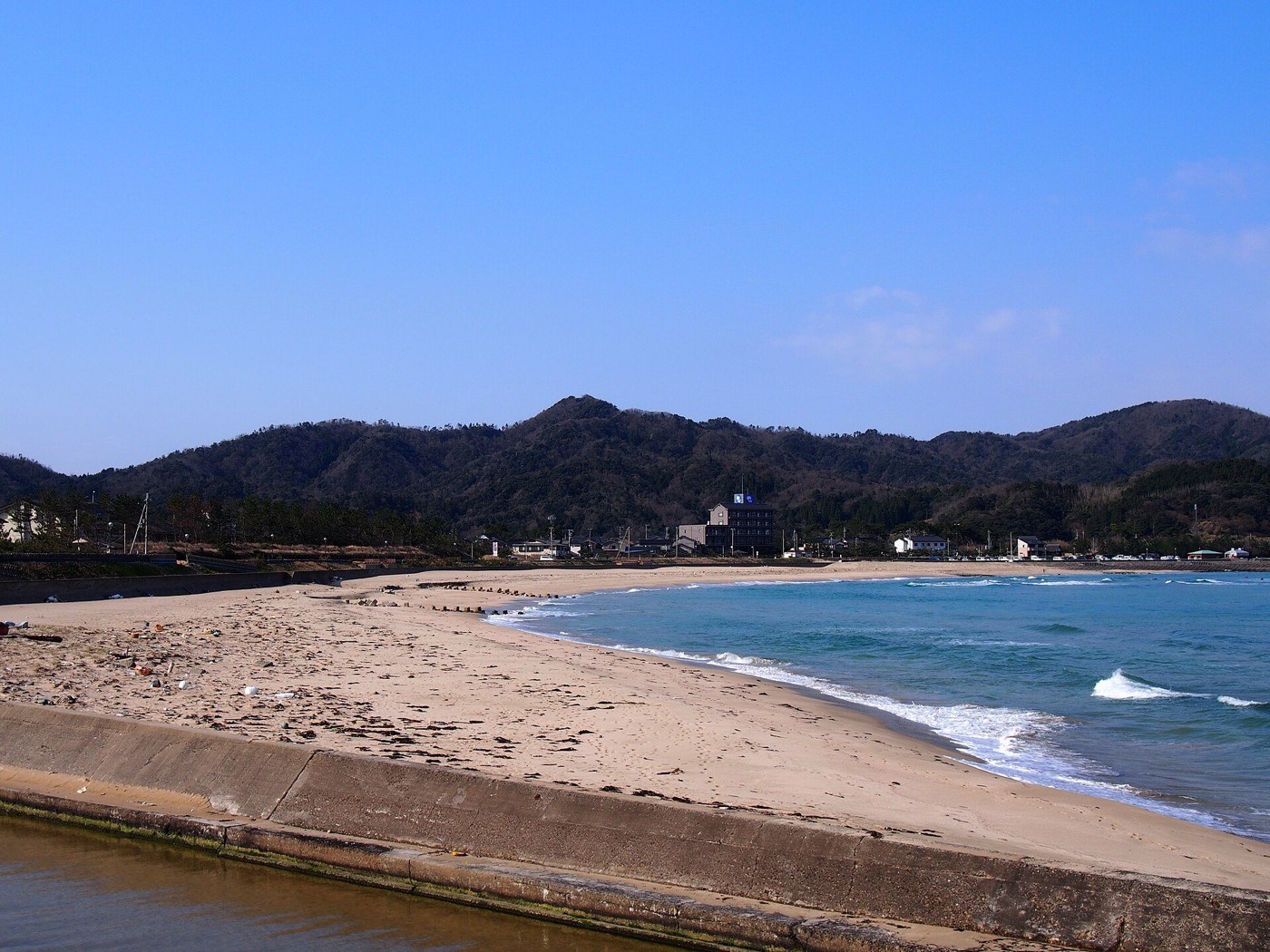
At most inns, the meal is decided in advance. The booking page and the brochure both tell you what will be served. Famous luxury ingredients, a lavish funamori (sashimi arranged in a wooden boat), a tray crowded with dishes. Show guests in advance what they will eat, and they find it easier to choose, and the inn finds it easier to take bookings.
But the sea does not keep promises. When rough weather drags on, the boats stay in. When the season shifts, the catch does not come. On days when the promised ingredients cannot be had, what then? Frozen goods are used. Fish is brought in from other regions. As the numbers are made to add up this way, “Tango on that day” slowly drains from the tray. Ingredients left unused are thrown away.
Head Chef Omachi's way stands on the opposite side. Instead of promising a menu, he builds the meal only from what was landed that day. It is omakase, left to the chef. Until the day itself, even the cook does not know what will be served.
Rebuilding from scratch every day
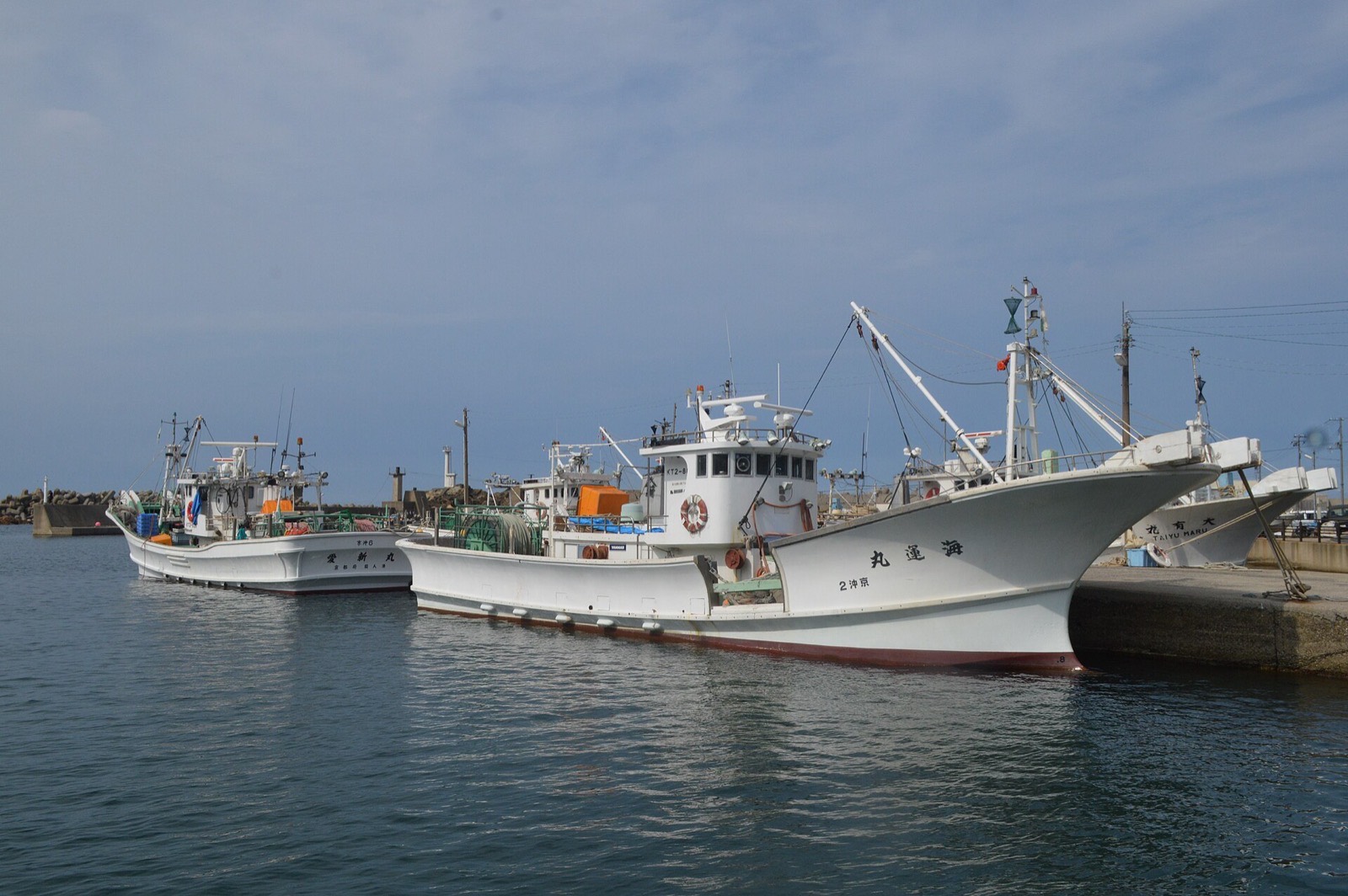
Not promising means starting from a blank page every morning.
What came in today? How much of it is there? What becomes sashimi, what is grilled, what is simmered? Yesterday's menu can never be made again. No day ends as a repetition of set routines.
The more skilled the cook, the more they have forms of their own that they do best. Bend the ingredients to fit those forms, and the flavour stays steady. The prep becomes predictable. This way of working does not allow that. Every day, it is the cook who has to move, to fit whatever is in front of him.
Not promising a menu is the exact opposite of cutting corners. A cook who wants an easy life would hardly choose it.
Telling the story of the closing zosui himself
This head chef has one more trait. He tells guests the story behind the food himself.
Say he makes stock from the bones and trimmings of the fish he has used, and turns it into zosui (rice porridge) to close the meal. He could write a single line saying so on the menu card. He could have the room attendant explain it. But Head Chef Omachi tells it himself. How this fish was landed today, which parts became sashimi, and how the rest is used to the last.
The same zosui becomes a different bowl depending on whether you eat it after reading a note on paper, or after hearing about it from the person who made it. The words “using it all” only become true when there is a face behind them.
And this is an effort that an omakase meal, in particular, demands. Guests sit down not knowing what will come. If no one can tell them what is in front of them now, the meal becomes “a dinner that was over before I understood it.” Not promising and telling the story yourself are one continuous piece of work.
Not the luxury route, but the honest one
To avoid any misunderstanding: this is not a story about serving expensive food.
It competes neither on lavishness nor on low prices. What Head Chef Omachi offers is honesty to that day's sea, and nothing more.
He starts from the premise that what was landed is all there is, and builds the best he can within it. Then he explains, in his own words, why the meal took this shape. Without any special ingredient, the meal still stands; on days when something special does come in, it becomes a joy just as it is.
A promise not to promise
Come to think of it, the inn is not promising nothing.
It does not promise what will be served. Instead, it never fails to keep one promise: to serve what was landed from this sea today. No filling gaps with frozen fish. No bringing it in from elsewhere. What guests receive is not a menu, but this one thing.
A meal without a set menu looks like a poor bargain for the inn and the cook alike. That it continues all the same is surely because the whole of a cook's work rests on it.
Manjuro, Kyotango. Today's menu is decided by today's sea.