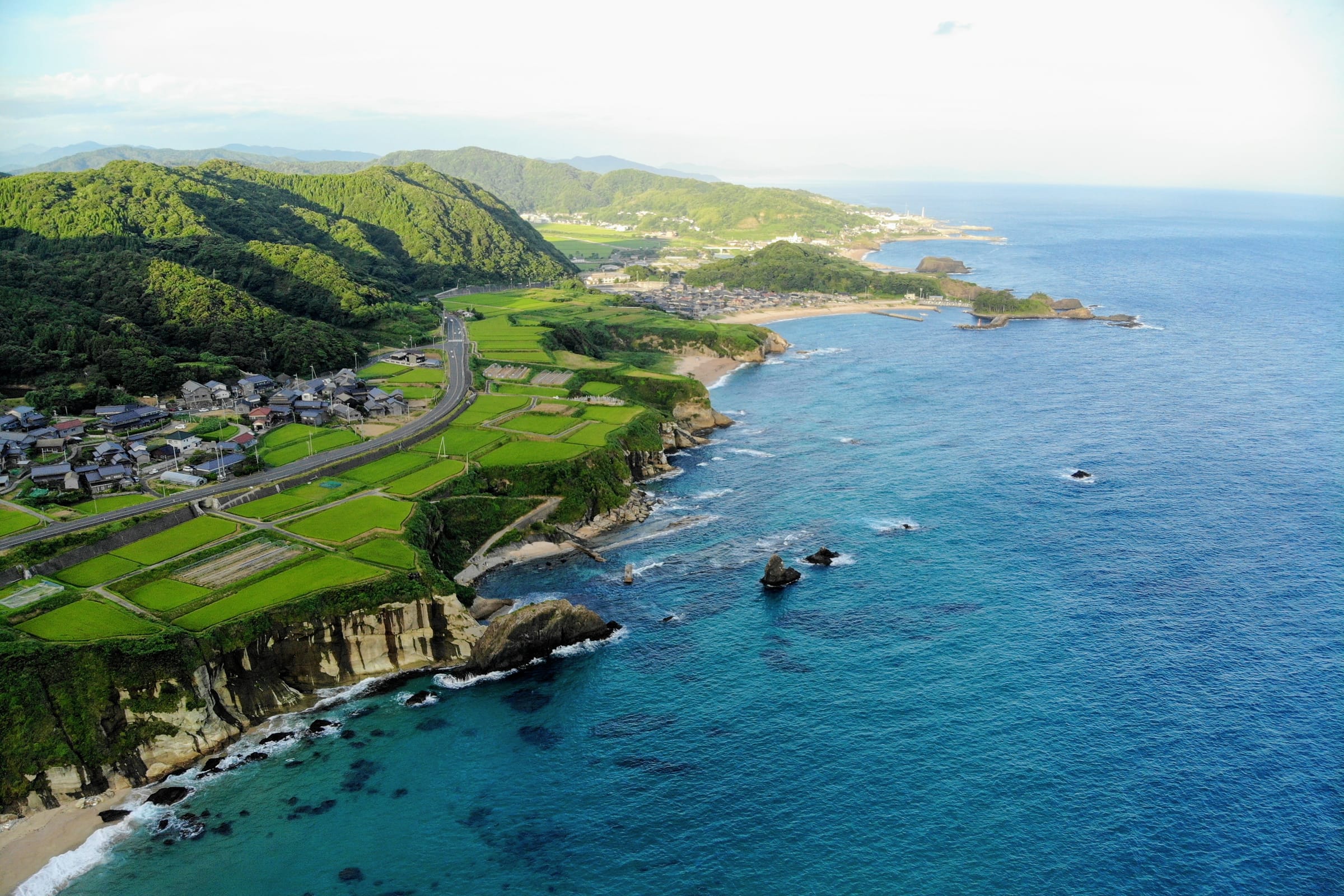
A Region Blessed with the Sea, the Countryside, and the Mountains
The sea right before us is one of Japan’s premier fishing grounds. During the winter, the Taiza crab is known as the “phantom crab” because the number a single boat can bring back is limited. From spring through early summer, Tango torigai (Japanese cockles) grow in these waters. In the sand dunes and fertile soil, vegetables and fruit trees—including the Kyotango melon—thrive, while over 270 species of medicinal herbs grow wild in the mountains.
Koshihikari rice from Tango has earned the highest national rating, “Special A,” 12 times in evaluations of taste and quality. Blessed with a warm climate and abundant water sources, the region is ideally suited for rice cultivation.
No single ingredient stands out. Throughout the four seasons, seafood and produce from the countryside share the same table. That is everyday life in this region.
A Place That Tells the Story of the Beginnings of Rice Farming
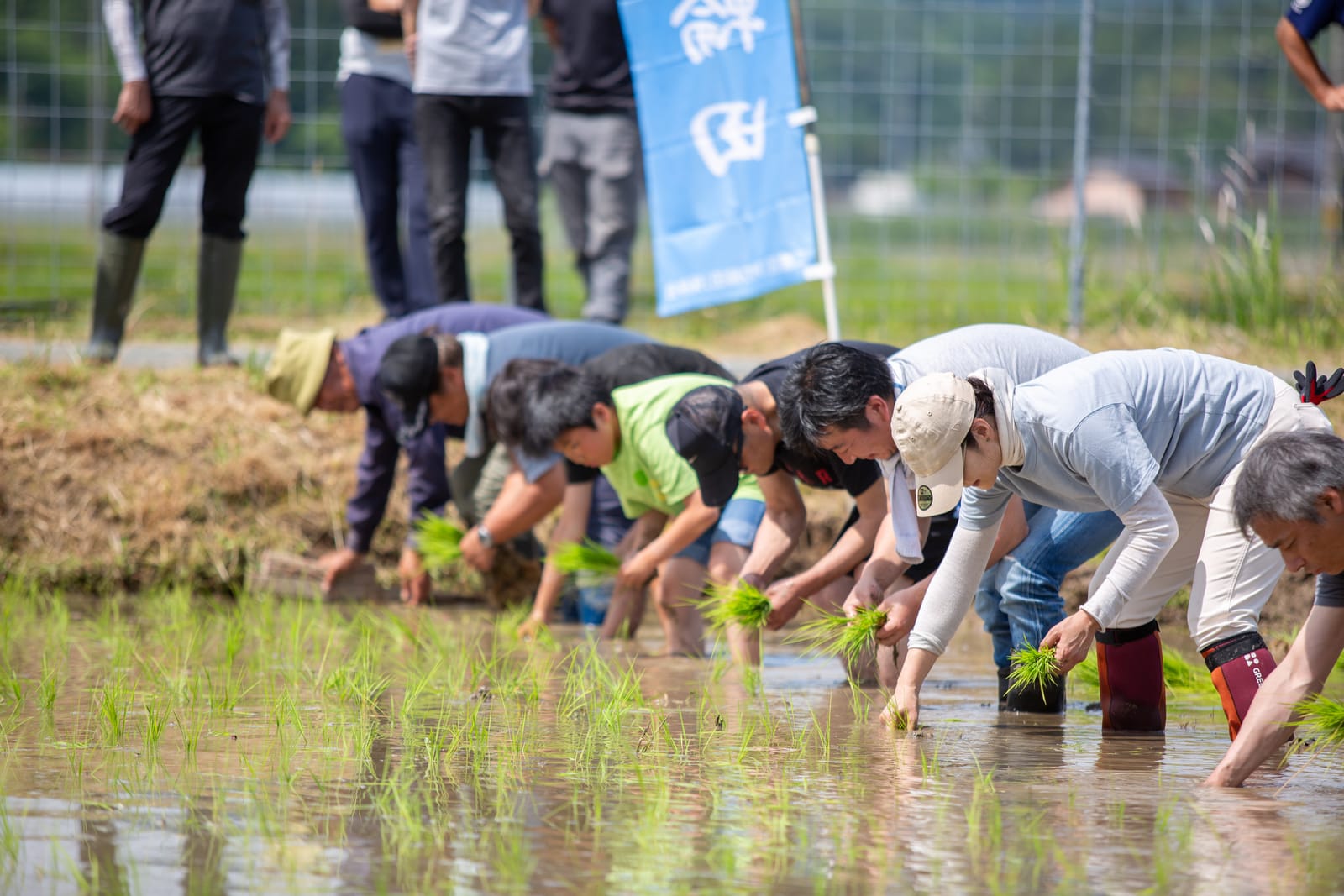
In Mineyama Town, there is a small rice paddy known as Tsukinowaden. According to local legend, rice cultivation in Japan began here, and the local people continue to plant rice in this field to this day.
Kyotango has no major rivers. For this reason, the people of the past built reservoirs in the mountainous and hilly areas and laid irrigation canals to secure a water supply. Rain that falls on the mountains flows through these reservoirs and rice paddies, becoming nutrient-rich water that eventually flows into the sea. This water nourishes the coastal seaweed beds and attracts fish.
In this region, the cycle in which caring for the mountains leads to the bounty of the sea is not merely a concept but has been carried out as part of daily farming work.
Festive Cuisine Nurtured by a Textile Town
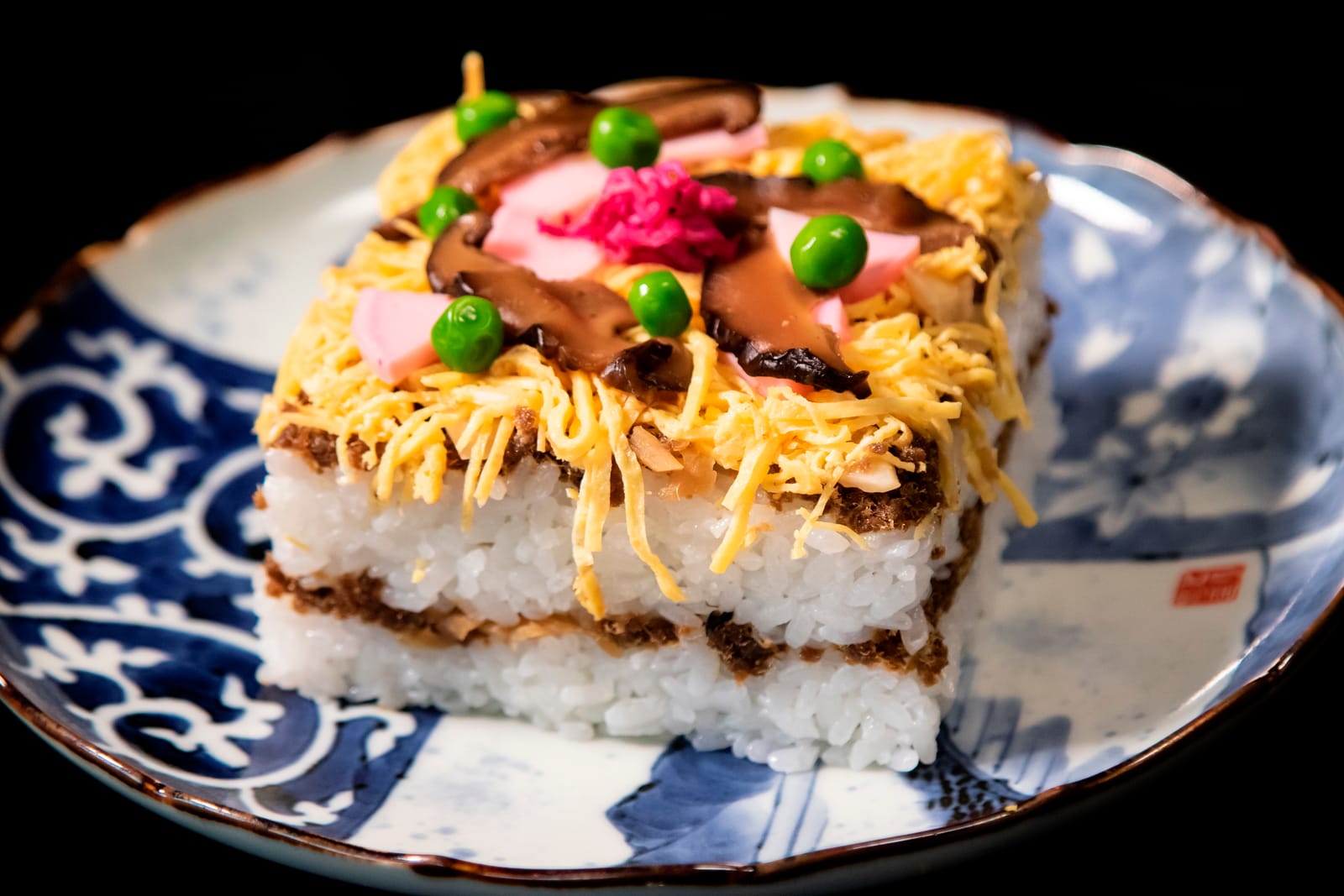
Kyotango is famous as a production center for silk textiles, particularly Tango chirimen. In the days when the sound of looms never ceased, on festival and celebratory days, families would lay out sushi in large wooden boxes. This is known as Tango barazushi.
The dish is made using a shallow wooden box called a “matsubuta.” Toppings are arranged on top of the sushi rice, the dish is cut into portions, and then distributed to neighbors. The level of sweetness and the amount of soy sauce vary from household to household. There is no single “correct” way to make it. These differences are what define the true nature of this dish.
Special-occasion meals have always originated in home kitchens and been shared within the community. Even today, there are households that still serve barazushi in a matsubuta at festivals and memorial services.
Flavors Shaped by Winter Work — The Tango Toji and Preserves Made with Sake Lees and Rice Bran
In the winters of long ago, when the region was cut off by snow, the men of Tango would travel to sake breweries all over Japan to help with the brewing process. This was seasonal work during the off-season for farming. Those who honed their skills were entrusted with managing the breweries as master brewers (toji) and came to be known as the “Tango Toji.”
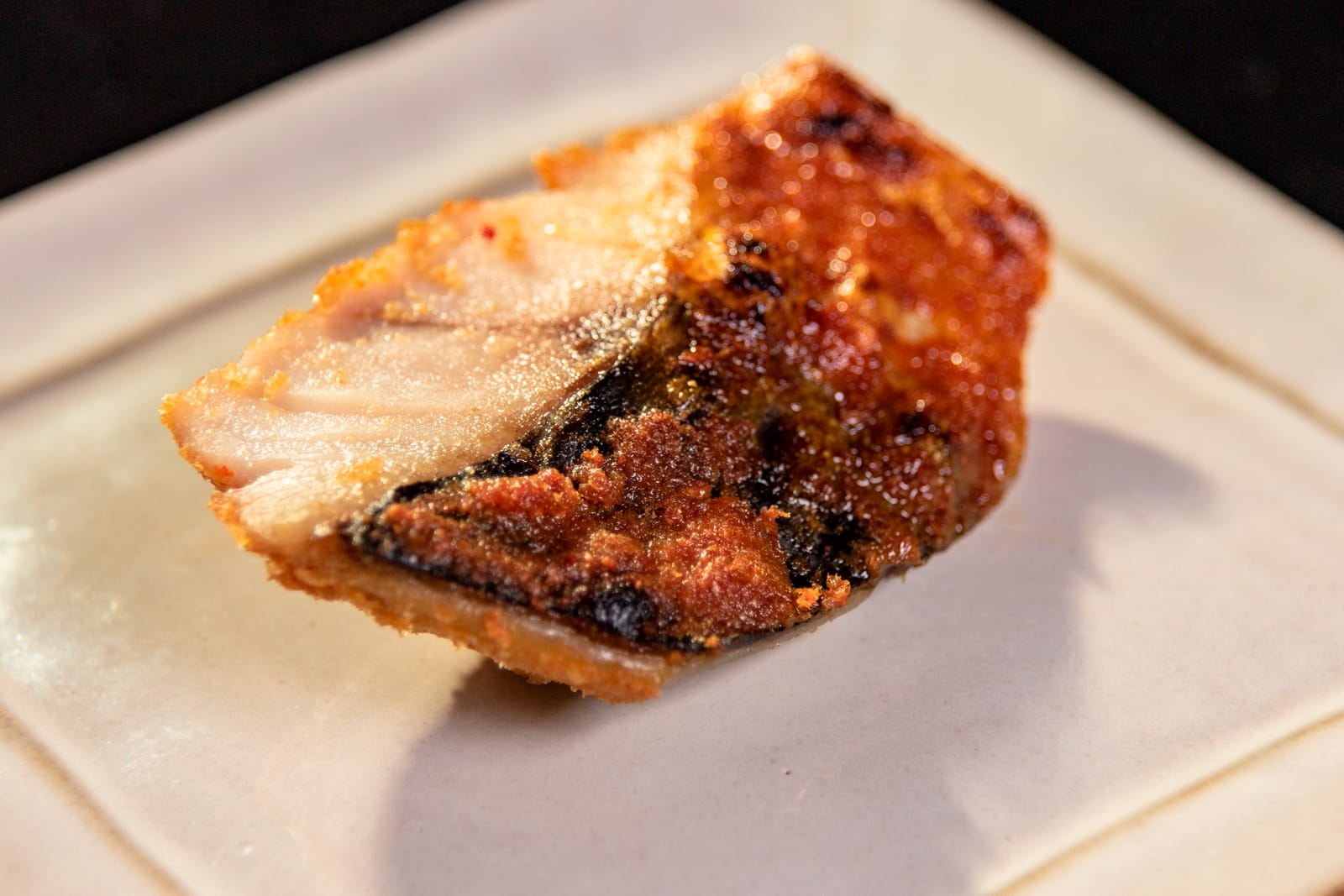
One of the things they brought back when they returned in the spring was sake lees. Sake lees were linked to the wisdom of preserving what they had caught. “Ayu no Kasuzuke”—sweetfish marinated in sake lees—is one of the flavors that took root in this way.
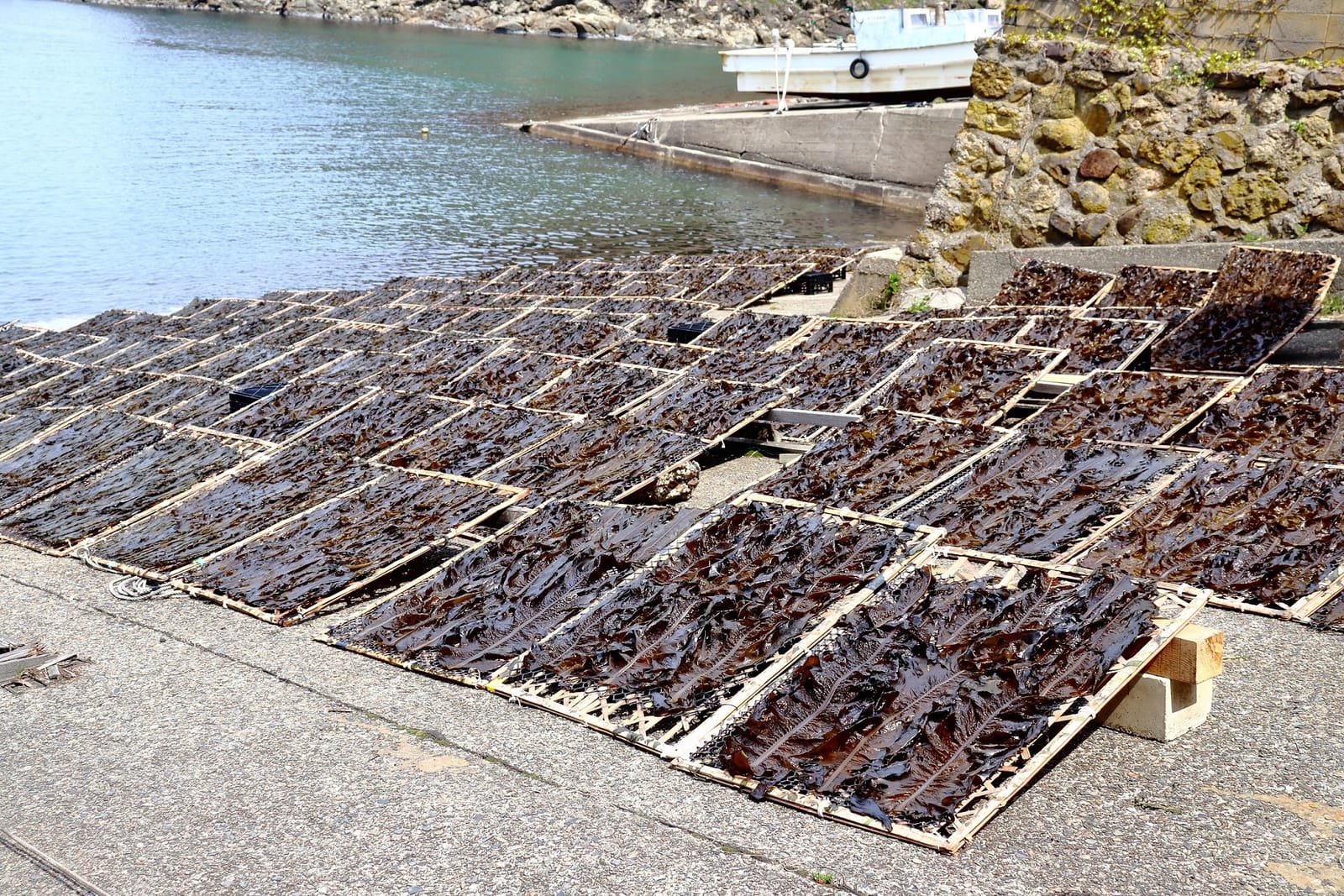
There is also wisdom in preserving seafood. “Heshiko”—a preserved food passed down for over 100 years—is made by marinating bluefish such as mackerel in rice bran and salt to allow them to mature. A culture of fermentation—including miso, koji, and soy sauce—is also deeply rooted in this region, and there are still five sake breweries in the city today. At sea, dried foods such as ita-wakame (sheet-dried wakame seaweed) have long been made.
The techniques honed over the winter in distant breweries and the traditional art of pickling preserved at home—both contribute to the rich, fermented flavors of this region. Nothing goes to waste; every last bit is savored to the fullest. The wisdom of making the most of limited resources is what gives Kyotango’s cuisine its depth of flavor.
A Table Shared Across Generations
In Kyotango City, it is still not uncommon to find households where grandparents, parents, and children—and sometimes even great-grandchildren—live under one roof. Relatives gather for festivals and memorial services to share barazushi served in a matsubuta. In the kitchen, the older generation gets to work, while the younger generation watches and learns.
They work in the fields. They go to the beach. They attend local events. Even as they grow older, each person has their own role to play, and they share meals with their families and neighbors. This town is known for the fact that many of its residents reach the age of 100 while living this kind of life.
The proportion of residents over 100 years old is approximately three times the national average. The rate of centenarians per 100,000 people is 245.32 (2025), significantly higher than the national average of 80.58. This is also the area where the former holder of the world record for male longevity (116 years) once lived.
Why do they live so long? Joint research with Kyoto Prefectural University of Medicine is ongoing to explore the connection with diet. What is becoming clear is that there is no specific “health food” involved. Fish from the sea, vegetables from the fields, and fermented foods are simply a natural part of their daily meals.
There are restaurants in the city that prepare and serve barazushi in a form that’s easy to eat for people who have difficulty swallowing. This ensures that people can continue to share meals together even as they grow older. That, too, is what it means to preserve our food culture.
And Now
In 2024, Kyotango City received the Gastronomy City Award. It was recognized not only for the abundance of its local ingredients, but also for the fact that the government and private sector have formed a study group to promote community development centered on food. Above all, it was recognized because the people who live here take pride in their local cuisine.
In 2026, the Kyotango City Council for Gastronomy-Based Community Development was established, bringing together producers, chefs, business operators, and government officials around the same table. The goal is not to create new local specialties, but to reaffirm the value of what already exists here and pass it on to the next generation.
We introduce the people at the heart of this work in our Stories.